Sewerage Overload
Hazara Division faces a low operational efficiency of municipal disposal and solid waste management infrastructure.
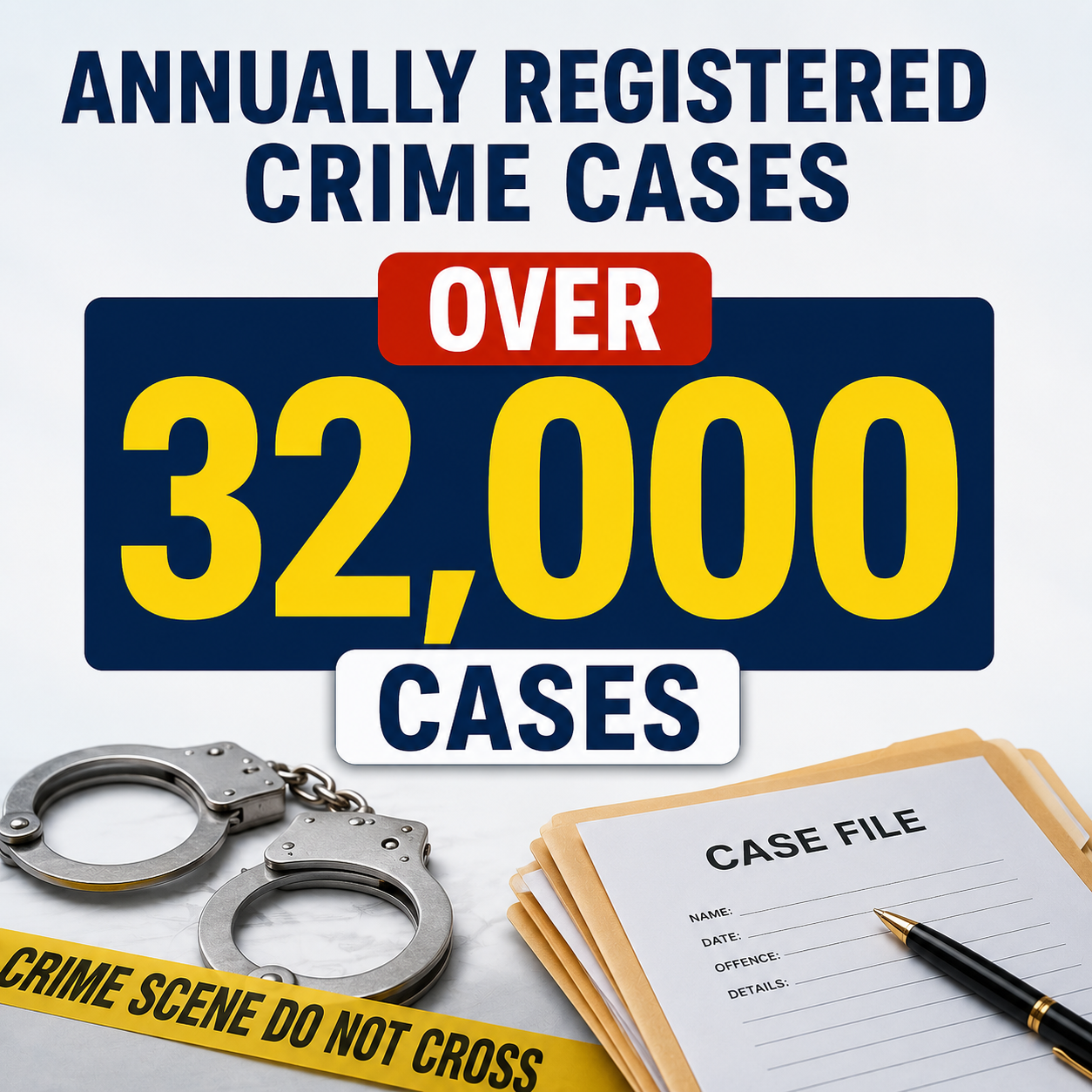
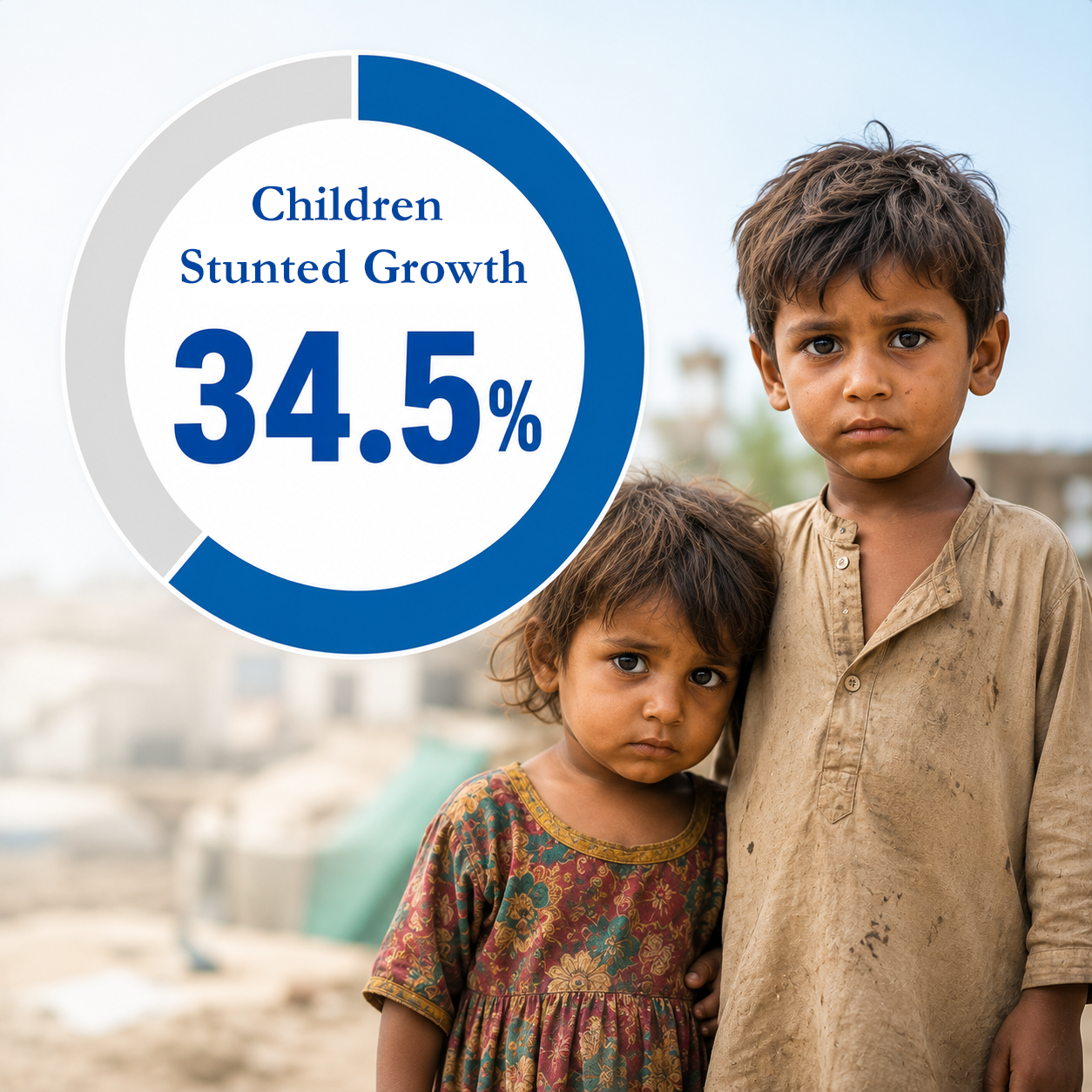
Hazara Division, with a population of 6.19 million and an area of 17,064 km², is home to millions of people, but many families struggle every day because the area does not get enough care or resources. Despite its crucial geographic and economic role, it faces poverty, underdevelopment, and chronic neglect, receiving an 11.5% share of Khyber Pakhtunkhwa’s development budget. Over 21% of its population lives in poverty, more than 34% of young children suffer from stunted growth, over 36% lack basic healthcare, and over 32,000 crime cases are reported annually. Experts believe that granting provincial status could be a game-changer, ensuring fair representation, improved governance, and balanced development.
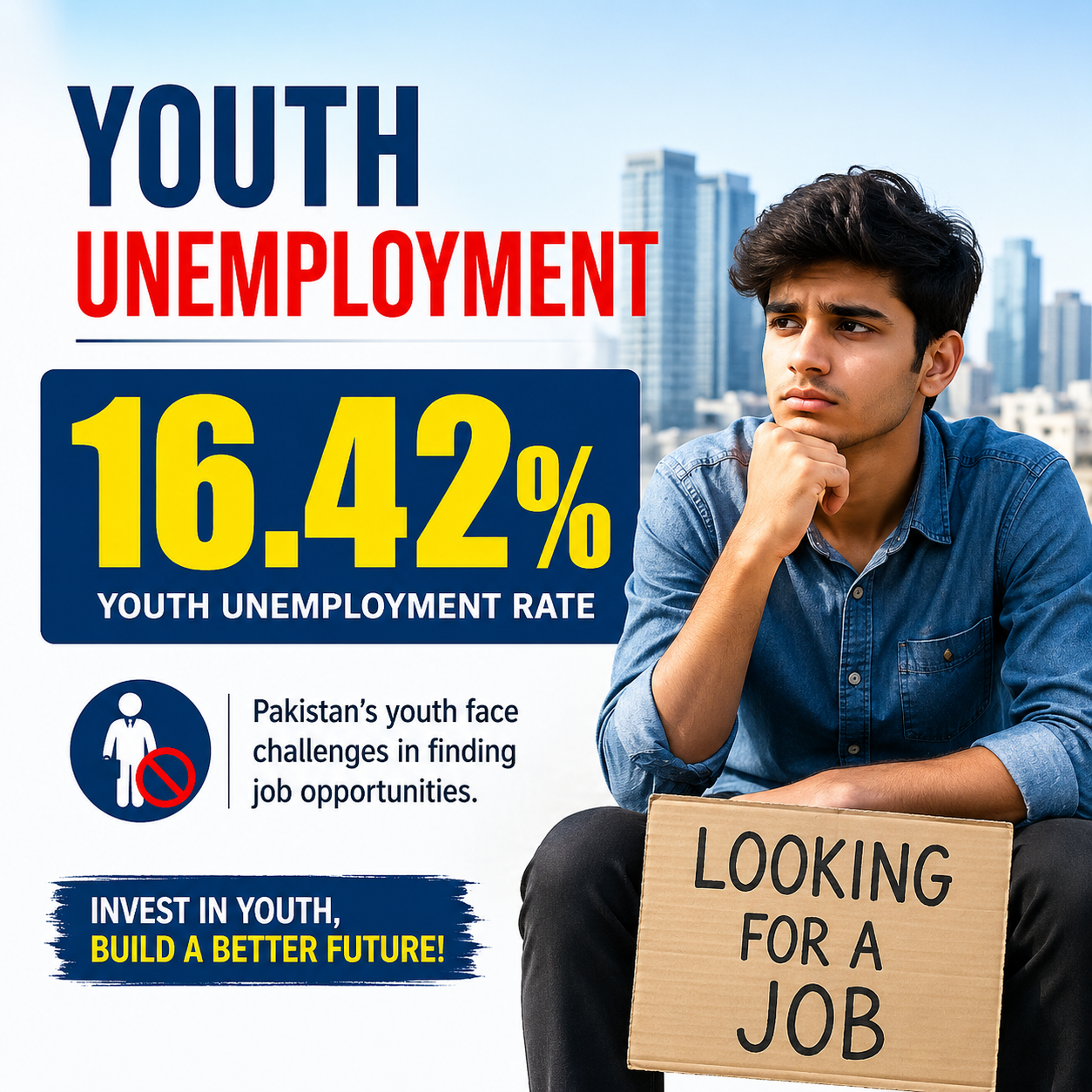
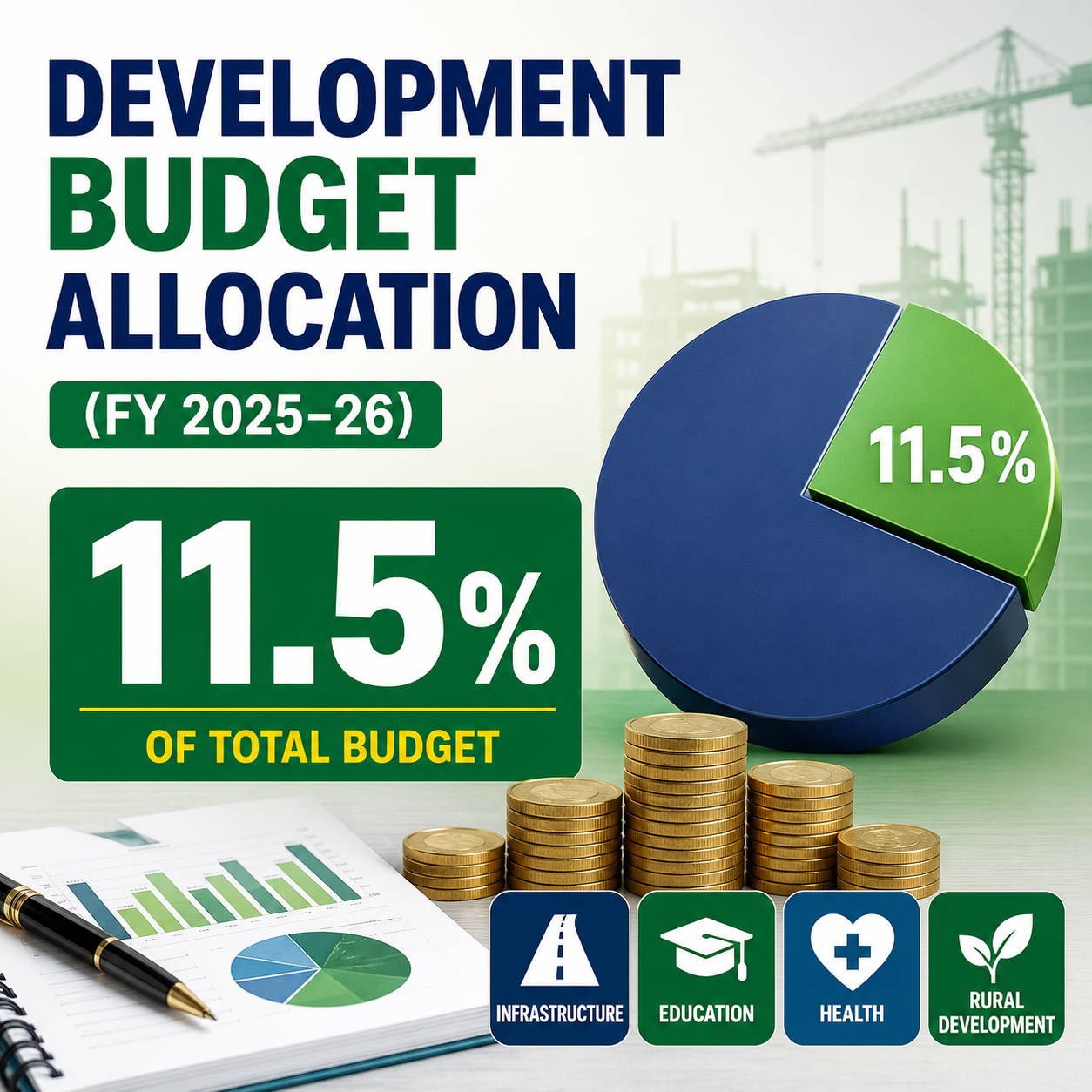
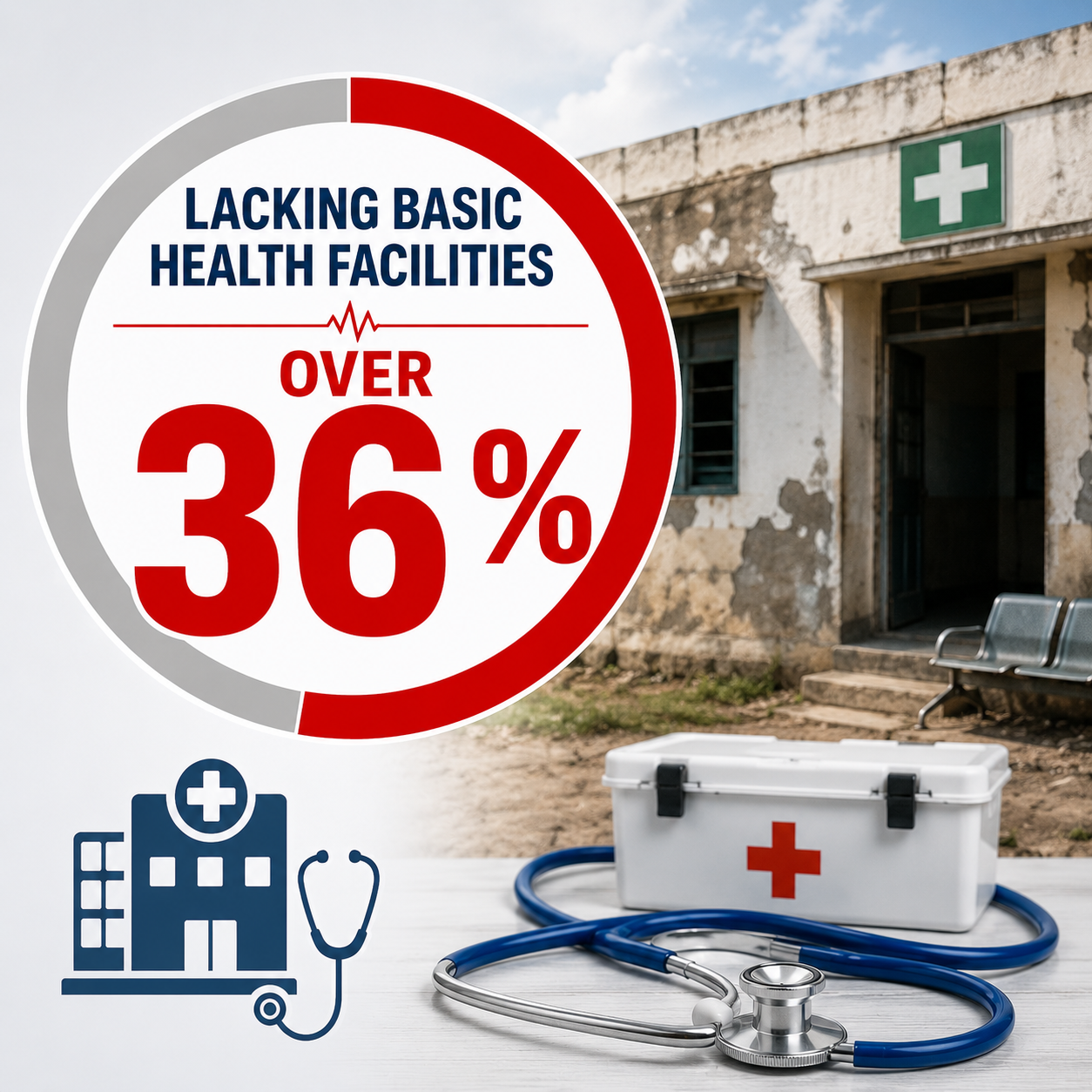
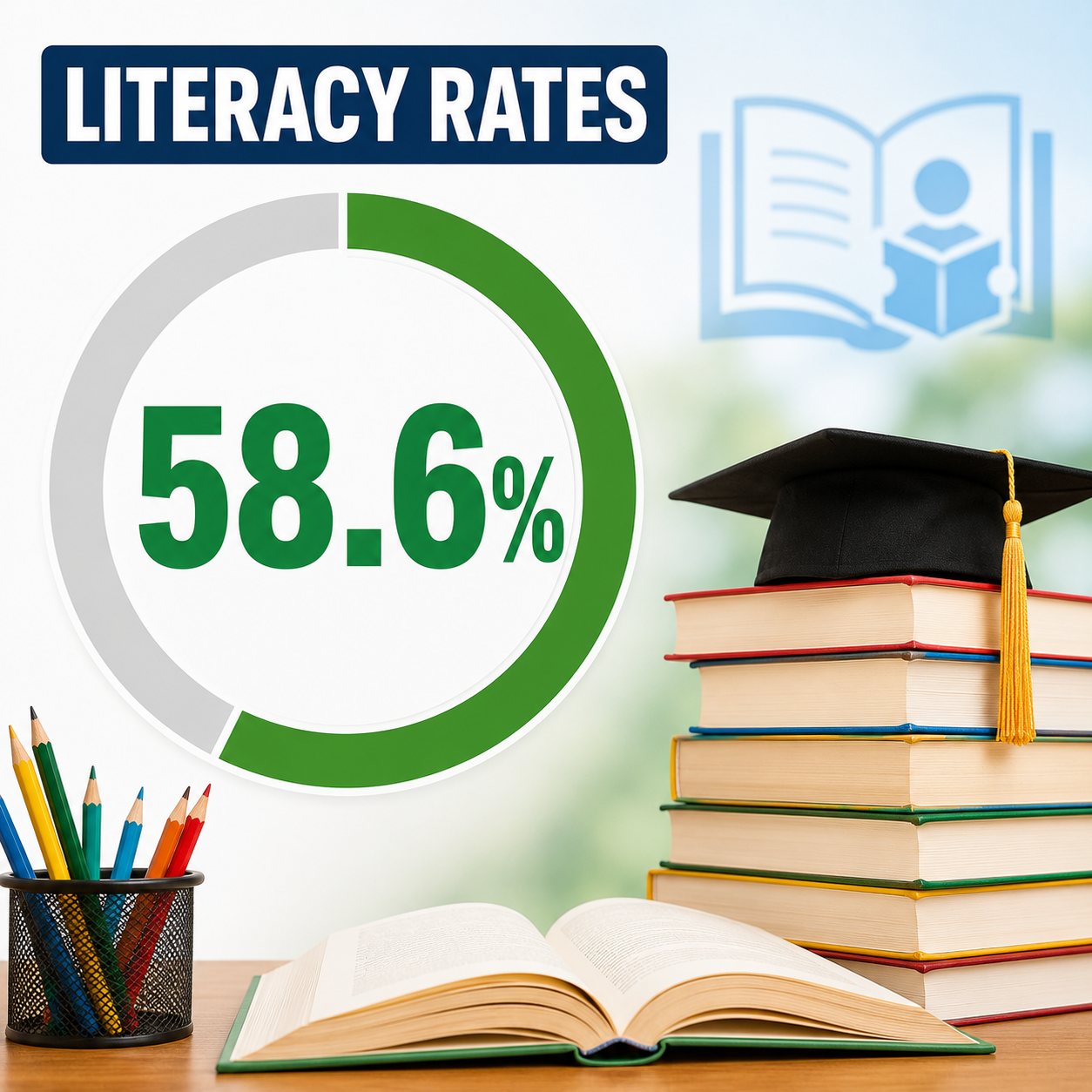
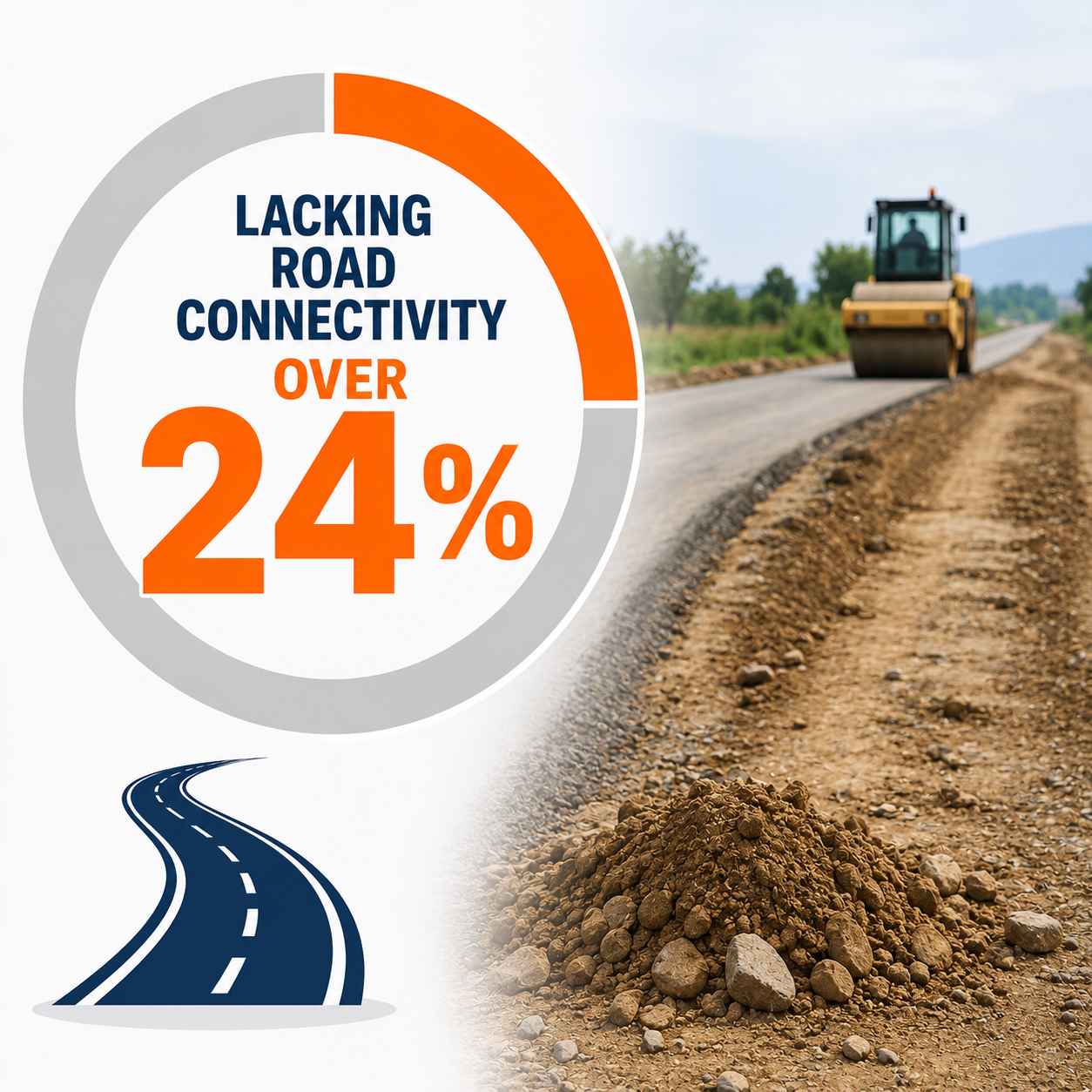
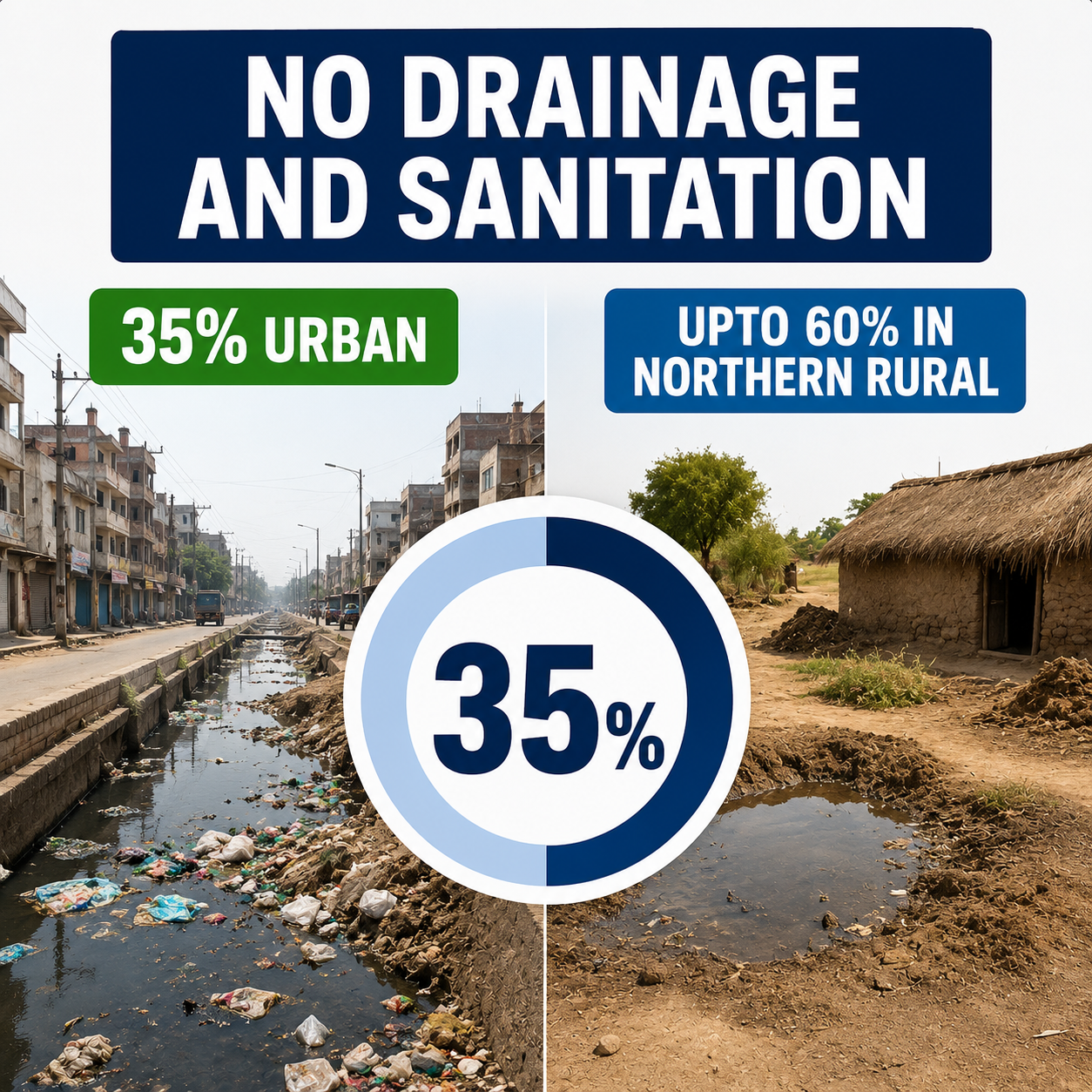
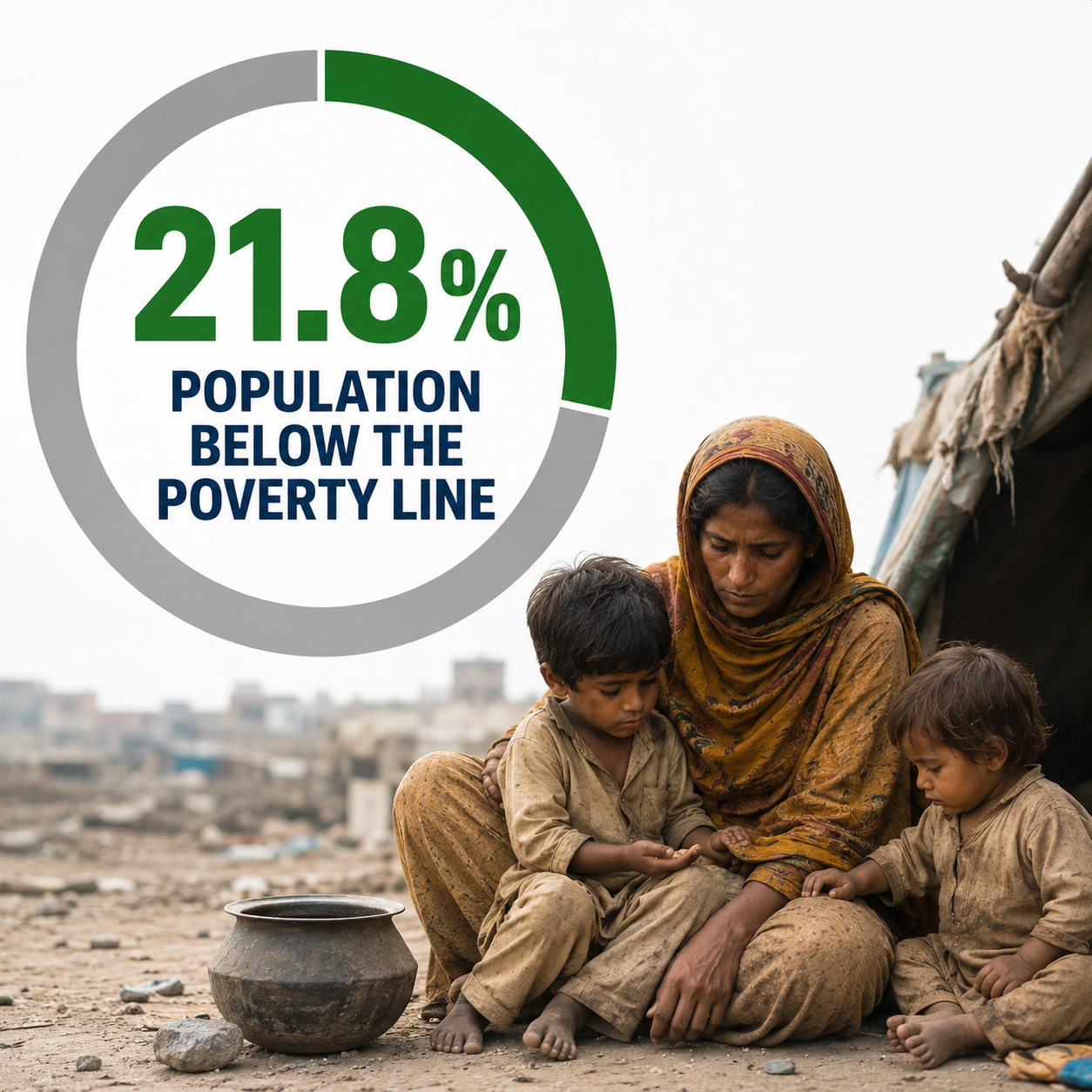
Hazara Division faces deep-rooted challenges spanning overstretched hospitals, education gaps in remote districts, untreated sewage, unsafe drinking water, limited local jobs, and underfunded development.
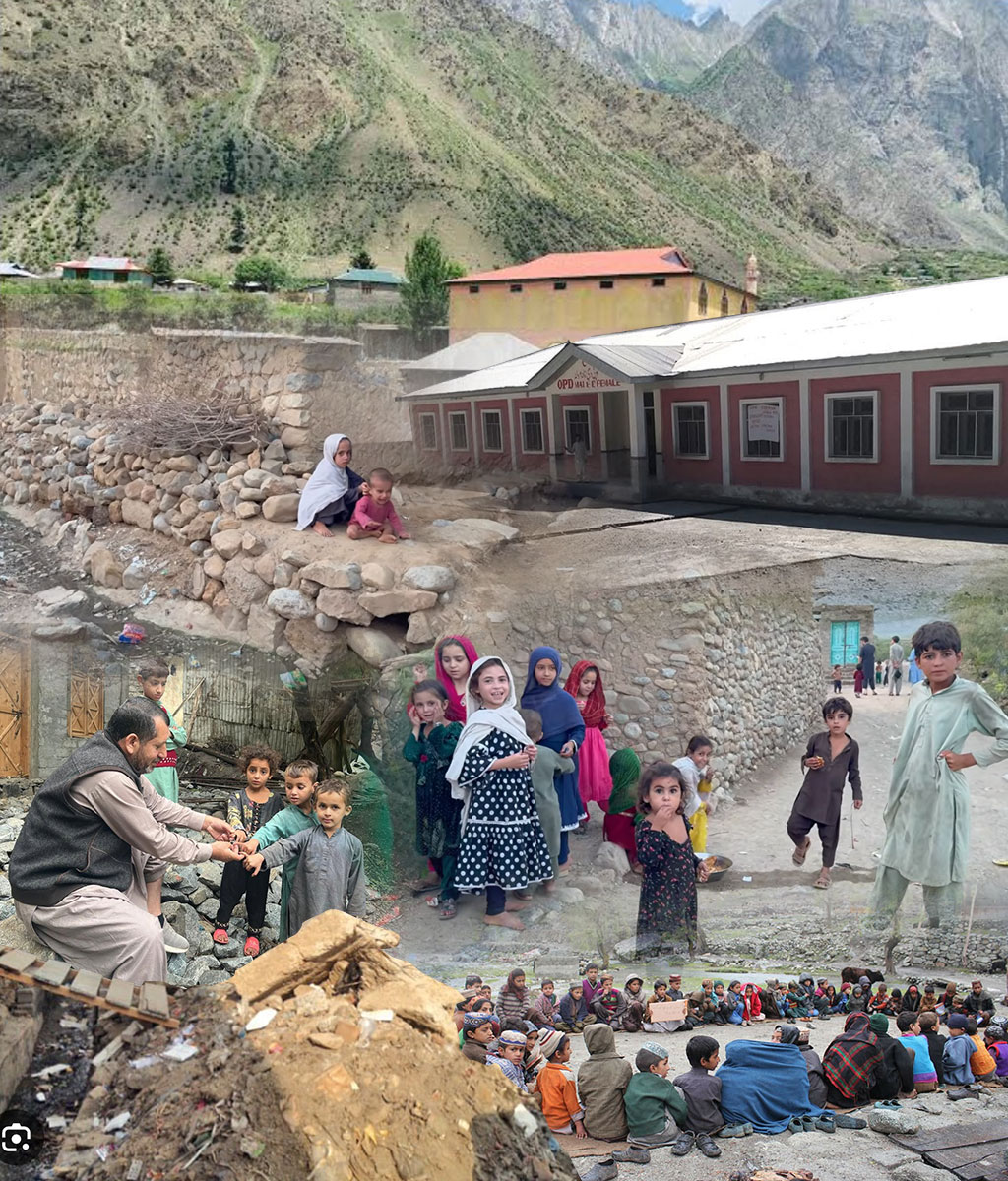
Hazara Division faces a low operational efficiency of municipal disposal and solid waste management infrastructure.
Hazara Division’s main highway and local roads face heavy traffic jams and frequent landslides, while mountain roads in Torghar and Kohistan are poorly built and often blocked by bad weather.
Mountains limits standard piped distribution layouts, leading to a severe clean drinking water access gap.
Compared to Peshawar, Hazara Division is facing a distinct poverty challenge.
Child malnutrition, including stunting, is significantly high in Hazara Division.
Stunting
Wasting
The availability of hospital beds is considerably thin relative to the division’s population.
Peshawar has a much stronger network of teaching and specialized hospitals than Hazara Division.
Infant and child mortality metrics in Hazara’s rural and alpine tehsils remain highly critical.
Infant Mortality (per 1,000 live births)
Child Mortality (per 1,000 live births)
The regional health workforce suffers from critical staffing shortages, particularly in remote tehsils.
Hazara faces a significant challenge of out-of-school children due to institutional gaps and terrain barriers.
Primary to secondary net enrollment reveals a profound structural gap in institutional access.
Limited school access and long commutes remain serious concerns for students in remote districts.
At the Peshawar High Court (Abbottabad Bench), approximately 6,935 cases pertaining to the Hazara Division are pending, constituting 19.09% of the court’s total pendency.
In the lower courts of the Hazara Division, 22,415 criminal cases and 58,920 civil cases are currently pending.
Consequently, the total number of pending cases in the lower courts of the Hazara Division amounts to 81,335.
On average, over 32,000 crime cases are registered annually in the Hazara Division.