Total population
1,419,072
The administrative and educational hub of Hazara Division, Abbottabad is a well-developed mountainous district of Khyber Pakhtunkhwa known for its pleasant climate, strong military presence, and high-quality educational and healthcare institutions. Centered around Abbottabad City, the district serves as a key transit and service center linking Islamabad with northern Khyber Pakhtunkhwa and the Karakoram Highway corridor. It is also a major tourism gateway to Nathiagali, Ayubia, and surrounding hill stations. With a diversified economy based on education, defense establishments, tourism, trade, and agriculture, Abbottabad is one of the more socio-economically developed districts in northern Pakistan. This profile summarizes district statistics, services, governance structure, and key development opportunities and challenges.
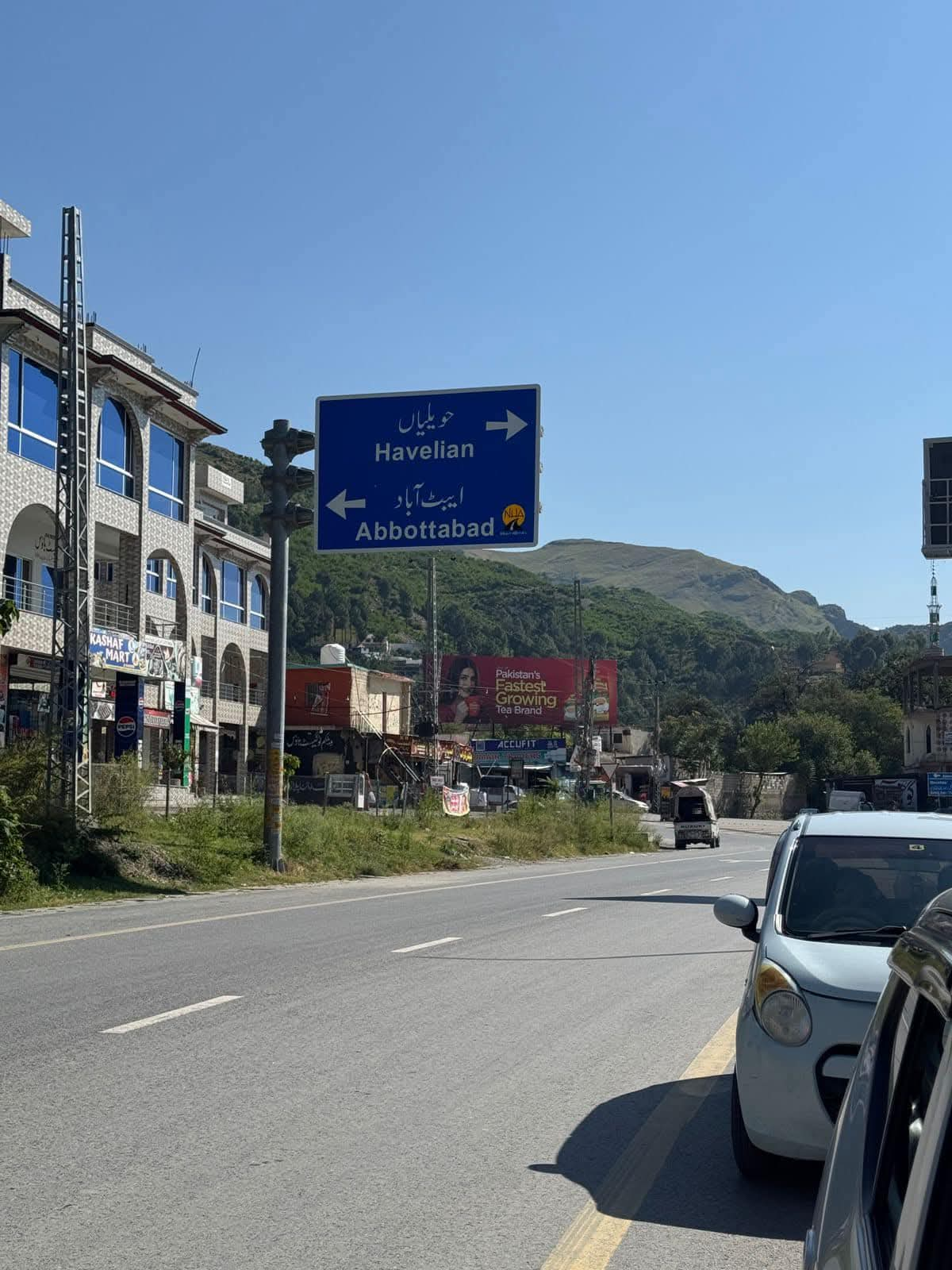
1,419,072
1,969 km²
4 tehsils · 8 union councils · 359 villages
| Indicator | Value |
|---|---|
| Total population | 1,419,072 |
| Tehsils | 04 |
| Union councils | 8 |
| Villages | 359 |
| Total area | 1,969 km² |
| Type | Count |
|---|---|
| Schools | 1,851 |
| Colleges | 18 |
| Facility type | Count |
|---|---|
| DHQ Hospital | 1 |
| THQ Hospital | 1 |
| Station | Count |
|---|---|
| Bagnotor | 1 |
| Bakot | 1 |
| Cantt | 1 |
| City | 1 |
| Dongagali | 1 |
| Havelian | 1 |
| Lora | 1 |
| Mangal | 1 |
| Mirpur | 1 |
| Nara | 1 |
| Nawansher | 1 |
| Sherwan | 1 |
| Total | 12 |
| Measure | Notes |
|---|---|
| Civil courts | Not separately itemised in district source data. |
| Member | Constituency | Name (Party) |
|---|---|---|
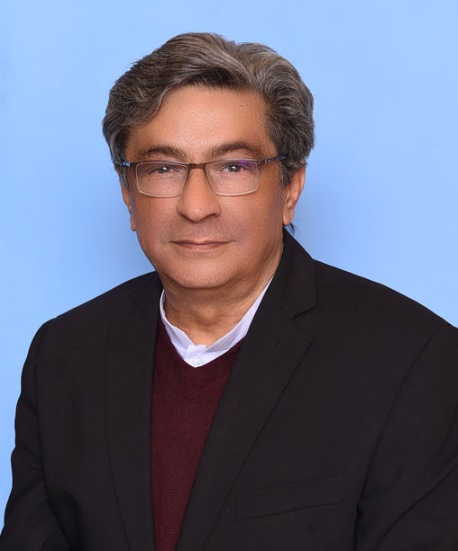 |
NA-16 Abbottabad-I | Ali Asghar Khan (IND) |
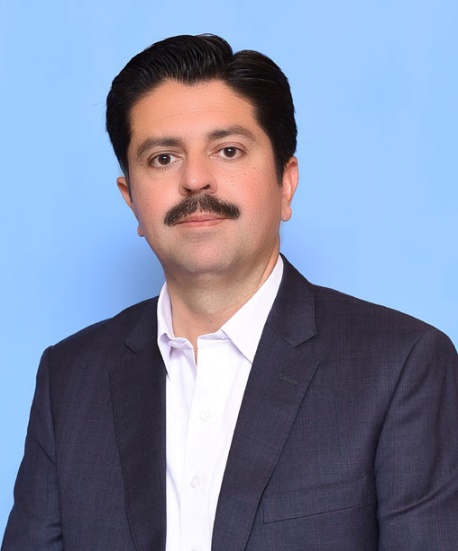 |
NA-17 Abbottabad-II | Ali Khan Jadoon (IND) |
| Member | Constituency | Name (Party) |
|---|---|---|
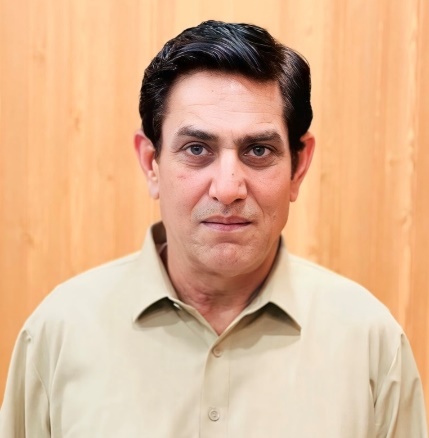 |
PK-42 Abbottabad-I | Nazeer Ahmed Abbasi (IND) |
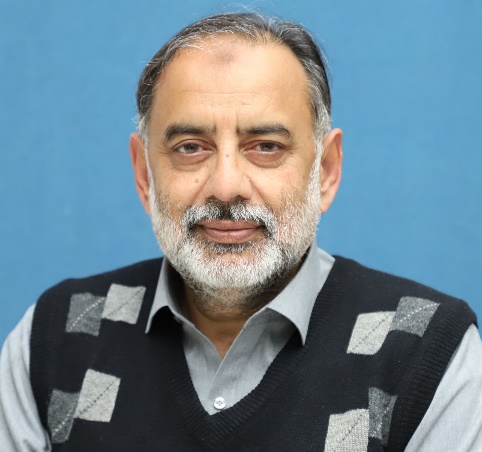 |
PK-43 Abbottabad-II | Rajab Ali Khan Abbasi (IND) |
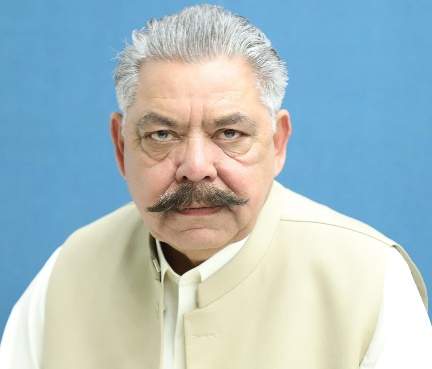 |
PK-44 Abbottabad-III | Iftikhar Khan Jadoon (IND) |
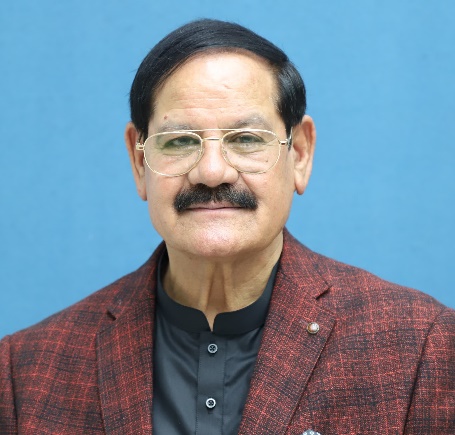 |
PK-45 Abbottabad-IV | Mushtaq Ahmed Ghani (IND) |
Abbottabad has a fairly developed main road network, but link roads in rural and hilly areas (Galyat, Lora, Lower Tanawal) are often in poor condition. Heavy rains and snowfall frequently damage roads, disrupting access to tourist and remote areas.
The district faces a growing water shortage problem, especially in urban and peri-urban areas. Declining spring sources, deforestation, and population growth have led to intermittent supply and water stress in summer months.
Abbottabad has major facilities like Ayub Teaching Hospital and DHQ Hospital, but they are overburdened due to high patient load from surrounding areas. Remote and hilly regions still face difficulty in accessing timely healthcare.
Unemployment among educated youth is rising due to limited industrial development and fewer local job opportunities. Most jobs are concentrated in government, education, and small businesses, pushing many to migrate elsewhere.
Deforestation, urban expansion, and tourism pressure are causing environmental degradation in Abbottabad's hills and forests. This has led to soil erosion, reduced water availability, and increased landslide risks.