Total population
554,133
A mountainous district in southern Hazara Division, Battagram serves as an important gateway connecting Hazara with the Malakand region through the Karakoram Highway. Centered on Battagram City, the district is characterized by rugged terrain, forested hills, fertile valleys, and a predominantly rural population dependent on agriculture, livestock, forestry, and small-scale trade. Its strategic location along the China–Pakistan Economic Corridor (CPEC) route has enhanced its importance for regional connectivity and economic activity. Despite improvements in road infrastructure, Battagram continues to face challenges in healthcare, education, disaster resilience, and access to public services due to its mountainous geography. This profile summarizes district statistics, services, elected representation, and key development opportunities and challenges.
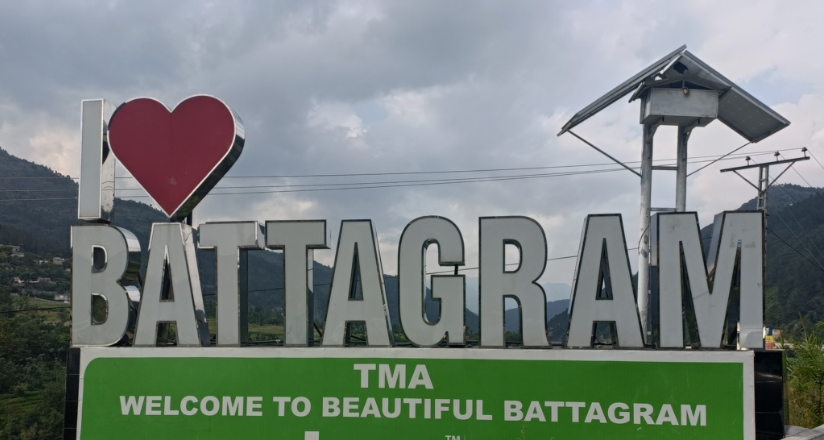
554,133
1,301 km²
2 tehsils · 20 union councils · 104 villages
| Indicator | Value |
|---|---|
| Total population | 554,133 |
| Tehsils | 02 |
| Union councils | 20 |
| Villages | 104 |
| Total area | 1,301 km² |
| Type | Count |
|---|---|
| Schools | 756 |
| Colleges | 3 |
| Facility type | Count |
|---|---|
| DHQ Hospital | 1 |
| THQ Hospital | 1 |
| Station | Count |
|---|---|
| Battagram (City) | 1 |
| Banna | 1 |
| Kuzabanda | 1 |
| Pazang | 1 |
| Shimlai | 1 |
| Thakot | 1 |
| Total | 6 |
| Measure | Notes |
|---|---|
| Civil courts | Not separately itemised in district source data. |
| Member | Constituency | Name (Party) |
|---|---|---|
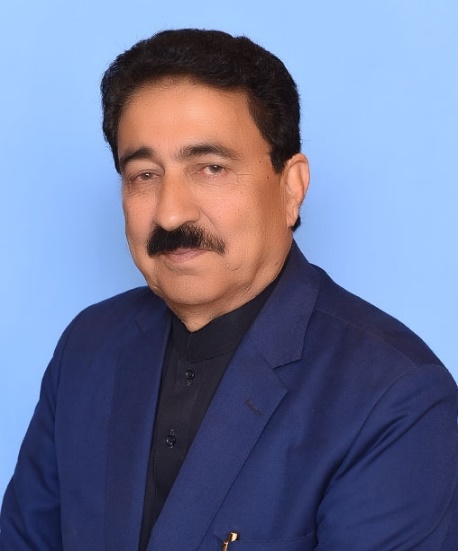 |
NA-13 Battagram | Muhammad Nawaz Khan (IND) |
| Member | Constituency | Name (Party) |
|---|---|---|
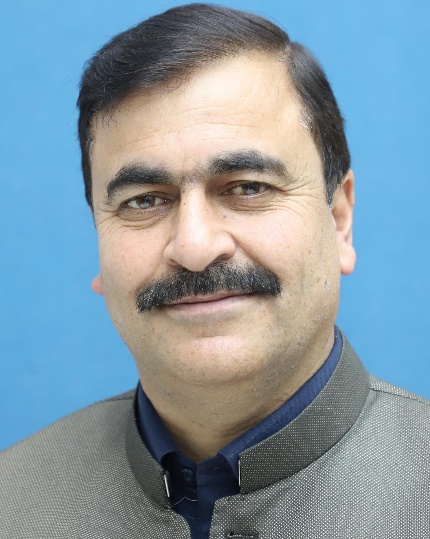 |
PK-34 Battagram-I | Zubair Khan (IND) |
 |
PK-35 Battagram-II | Taj Muhammad (IND) |
Road infrastructure in Battagram is weak, especially link roads in hilly areas. Landslides and poor maintenance often block routes during rains, disrupting transport and access to services.
The district faces drinking water shortages due to declining water sources, weak supply systems, and poorly maintained water schemes, especially in rural areas.
Health facilities are limited and overburdened. With only one DHQ hospital and remote BHUs, access to healthcare is difficult due to distance and poor roads.
Unemployment is high among youth due to lack of industries and limited local job opportunities, forcing migration to other cities.
Deforestation and land degradation are common, increasing risks of landslides, soil erosion, and floods in mountainous areas.