Total population
1,174,783
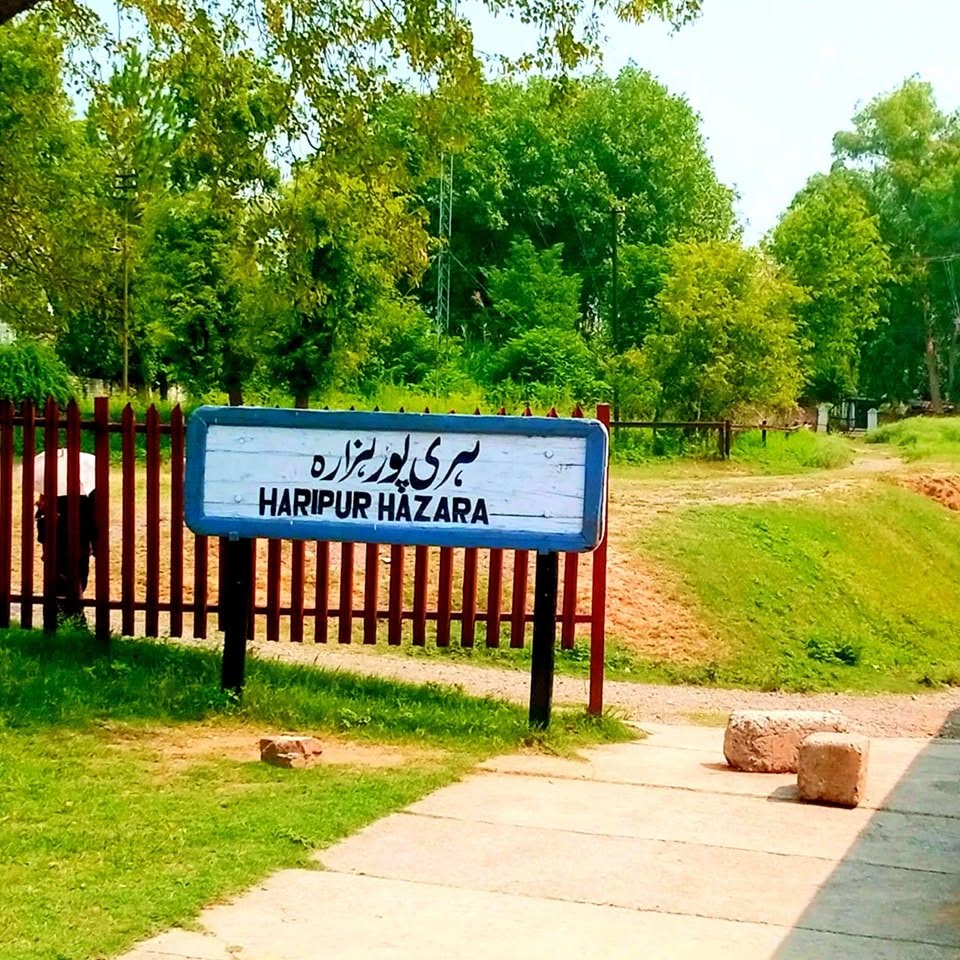
Haripur District is the southernmost district of Hazara Division in Khyber Pakhtunkhwa, serving as a gateway between northern Pakistan and the federal capital region. Known for its fertile agricultural land, growing industrial sector, and strategic location along major transport routes, the district is home to important educational institutions and the scenic Tarbela Dam, one of the world's largest earth-filled dams. Haripur combines a strong rural economy with increasing urban development, making it one of the more economically active districts in the province.
1,174,783
1,725 km²
3 tehsils · 183 union councils · 257 villages
| Indicator | Value |
|---|---|
| Total population | 1,174,783 |
| Tehsils | 03 |
| Union councils | 183 |
| Villages | 257 |
| Total area | 1,725 km² |
| Type | Count |
|---|---|
| Schools | 1,231 |
| Colleges | 12 |
| Facility type | Count |
|---|---|
| DHQ Hospital | 1 |
| THQ Hospital | 2 |
| Area | Police stations | Count |
|---|---|---|
| 1. City | City Police Station (Haripur) | 3 |
| Saddar Police Station (Haripur) | ||
| KTS Police Station | ||
| 2. Khanpur | Khanpur Police Station | 2 |
| Hattar Police Station | ||
| 3. Ghazi | Ghazi Police Station | 2 |
| Nara Amazai Police Station | ||
| Total | 7 | |
| Measure | Notes |
|---|---|
| Civil courts | Haripur Tehsil: Courts 26–28 (main complex); Ghazi Tehsil: 2 courts; Khanpur Tehsil: handled at Haripur. Total civil courts: 28–30+. |
| Member | Constituency | Name (Party) |
|---|---|---|
 |
NA-18 Haripur | Babar Nawaz Khan (PML-N) |
| Member | Constituency | Name (Party) |
|---|---|---|
 |
PK-46 Haripur-I | Akbar Ayub Khan |
 |
PK-47 Haripur-II | Arshad Ayub Khan |
 |
PK-48 Haripur-III | Malik Adeel Iqbal |
Road infrastructure in Haripur is in a dilapidated condition, particularly link roads to tourist destinations and hilly areas, causing major disruptions especially during rains and affecting tourism and local transport.
Haripur is facing a severe water crisis, with dropping water tables and intermittent supply in urban and suburban areas exacerbated by dry spells and infrastructure gaps.
Healthcare facilities in Haripur are under severe strain, with limited hospital beds relative to the district's growing population and mountainous terrain challenges limiting access.
Haripur has a high youth unemployment rate, contributing to local economic pressures in a region with limited industrial and job opportunities.
Widespread deforestation threatens Haripur forests and environment, leading to soil erosion, biodiversity loss, and increased vulnerability to landslides and floods.