Total population
340,017 (2023 Census)
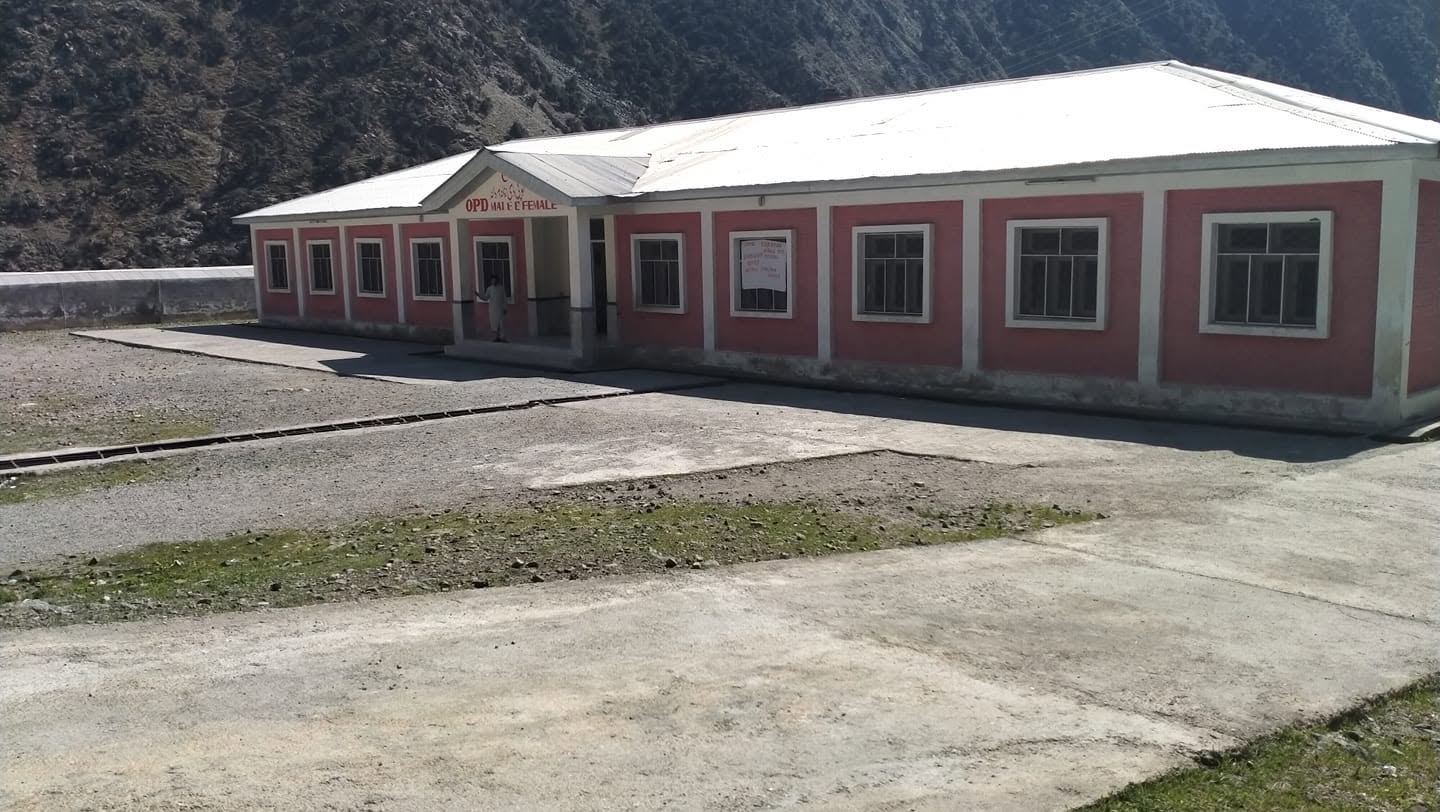
Lower Kohistan District is a district in the Hazara Division of Khyber Pakhtunkhwa, formed in 2014 when the former Kohistan District was bifurcated into Upper Kohistan and Lower Kohistan. It comprises the Indus River valley terrain along the Karakoram Highway, with Pattan serving as the district headquarters. One of the most underdeveloped and geographically isolated districts in the province, Lower Kohistan is defined by steep mountainous terrain, chronic infrastructure deficits, and recurring flood/landslide exposure, with development indicators among the lowest in Khyber Pakhtunkhwa.
340,017 (2023 Census)
642 km²
3 tehsils · 12 union councils · 52 villages
| Indicator | Value |
|---|---|
| Total population | 340,017 |
| Tehsils | 03 |
| Union councils | 12 |
| Villages | 52 |
| Total area | 642 km² |
| Literacy rate | 22.05% overall (female: 10.32%) |
| Type | Count |
|---|---|
| Schools | 314 |
| Colleges | 1 |
| Facility type | Count |
|---|---|
| THQ Hospital (Pattan) | 1 |
| Station | Count |
|---|---|
| Pattan | 1 |
| Dubair | 1 |
| Ranolia | 1 |
| Total | 3 |
| Measure | Notes |
|---|---|
| Civil courts | Judicial matters in much of the district continue to be handled substantially through Qazi courts and tribal jirga mechanisms alongside the formal judicial system, a legacy of the wider Kohistan region's administrative history |
| Member | Constituency | Name (Party) |
|---|---|---|
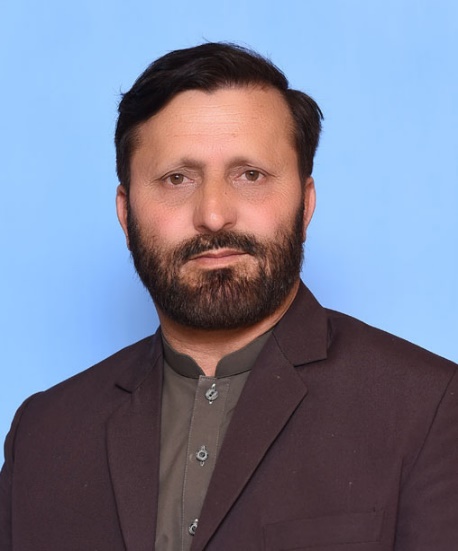 |
NA-12 Kohistan-cum-Lower Kohistan-cum-Kolai Palas | Malik Muhammad Idrees (PML-N) |
| Member | Constituency | Name (Party) |
|---|---|---|
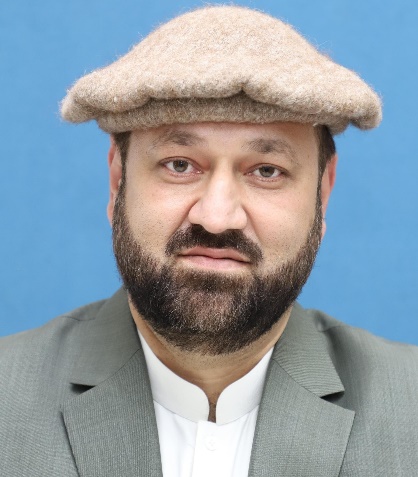 |
PK-32 Kohistan Lower | Sajjad Ullah (Jamiat Ulema Islam (F)) |
Road infrastructure in Lower Kohistan is severely underdeveloped and highly vulnerable to flash floods and landslides, with the Karakoram Highway as the only major connective route; side-valley roads (e.g., Dubair valley) have been repeatedly destroyed by flooding, cutting off communities for extended periods.
Access to safe drinking water and sanitation infrastructure remains limited across much of the district, compounded by the difficult terrain that makes piped water schemes costly and hard to maintain.
Lower Kohistan has no DHQ hospital and only one THQ facility, leaving the district heavily under-resourced for healthcare; residents often must travel long distances for anything beyond basic care.
The district has one of the lowest literacy rates in Khyber Pakhtunkhwa (22.05% overall, with female literacy at just 10.32%), reflecting deep structural gaps in school access, teacher availability, and retention rather than lack of community interest.
Chronic underdevelopment, heavy reliance on remittances, limited industrial or job opportunities, and remoteness from provincial economic hubs leave the district structurally poor, with climate-driven disasters (floods, landslides) repeatedly setting back what little infrastructure exists.